
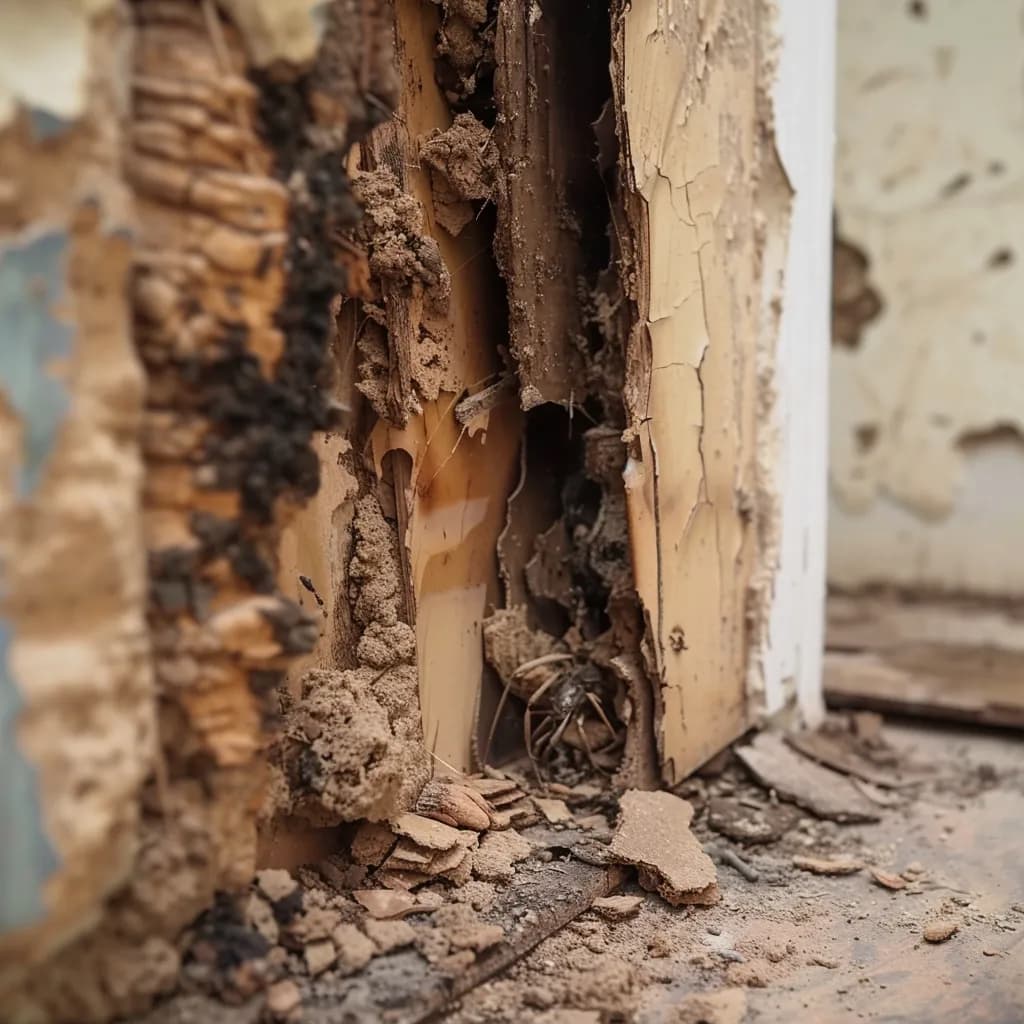
Timber Pest Inspections
Termites, borers, and conducive conditions assessed against AS 3660.2. We identify active infestation, existing damage, and the environmental factors that make a property vulnerable — then explain how to address each one.
A proper look,
not a quick glance.
Our licensed pest inspectors specialise in detecting timber pests such as termites and wood borers, vermin, and other common infestations. The inspection includes a thorough review of the site, exterior, interior, and surrounding areas of the property. We check for active infestations, signs of existing damage, and environmental conditions that may attract pests in the future. We also assess any previous termite treatments and provide clear, practical advice on whether further treatment or ongoing maintenance is needed.
Ideal for
- Home buyers (pre-purchase pest assessment)
- Existing homeowners (annual inspection as per AS 3660.2)
- Property investors assessing portfolio risk
- Property managers managing landlord compliance
What we inspect,
end to end.
Interior — skirting boards, architraves, door frames, window frames, flooring
Subfloor — stumps, bearers, joists, piers, ant caps (where accessible)
Roof void — framing, trusses, battens, rafters (where accessible)
Exterior — cladding, weep holes, expansion joints, attached structures
Wet areas — bathroom, laundry, kitchen surrounds
Garden and landscaping — trees, stumps, garden beds against building
Fencing — timber fences, retaining walls, posts
Conducive conditions — drainage, ventilation, stored timber, soil-to-timber contact
The stakes are
higher than they look.
Termites and wood-boring insects can cause significant structural damage, affecting foundations, walls, and key building elements. Our detailed pest inspections help minimise repair costs, protect the property's structural integrity, and give you confidence to protect your assets.
How we do it
differently.
Our reports explain the full risk picture: what we found, what it means, the conducive conditions making the property vulnerable, and what to do next. Treatment recommendations come without sales pressure — we don't sell pest control.
From booking
to confident decision.
Book & Brief
Contact us with property details. We'll discuss any known history of pest activity and schedule your inspection.
Thorough Assessment
Our team assesses all accessible areas for evidence of timber pest activity, damage, and conditions that increase risk.
Detailed Report
You receive a comprehensive report with findings, risk evaluation, photography, and clear recommendations.
Consultation & Guidance
We walk you through findings, explain risk levels, and advise on treatment or prevention — with referrals to trusted pest management professionals if needed.
A report that's
detailed and clear.
Comprehensive reporting delivered through a configurable client portal — accessible across devices, with a streamlined experience that puts every finding, photo, and recommendation a tap away.
Fast. Thorough.
Decision-ready.
Same-day in most cases. If you've booked a combined building + pest inspection, both reports land together.
Questions,
answered.
Still curious? Give us a call — we're happy to walk through anything specific to your property.
Should I get a timber pest inspection with my building inspection?
What are conducive conditions?
How often should I get a timber pest inspection?
Do you provide termite treatment?
Can termites be present without visible signs?
Often paired
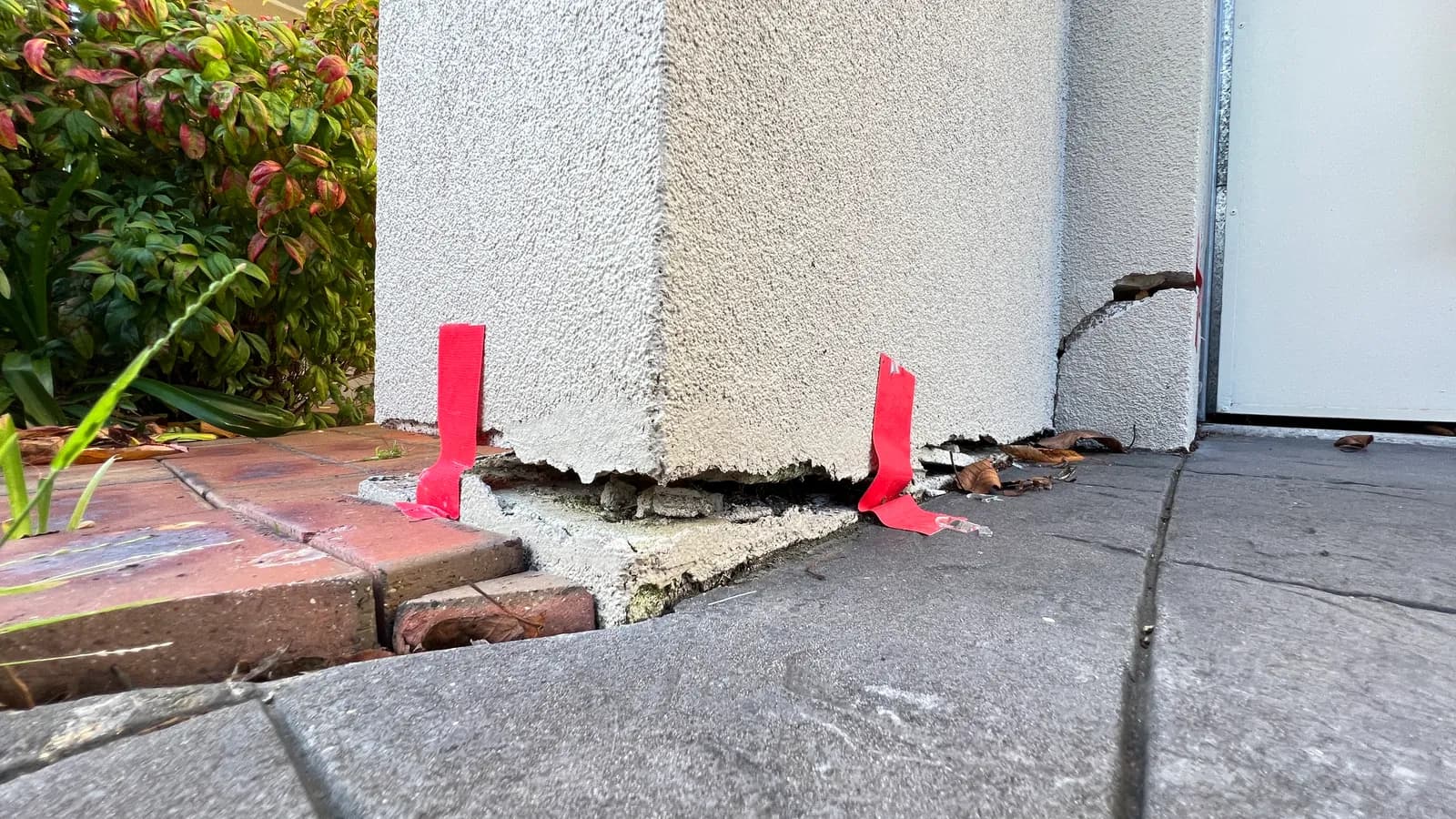
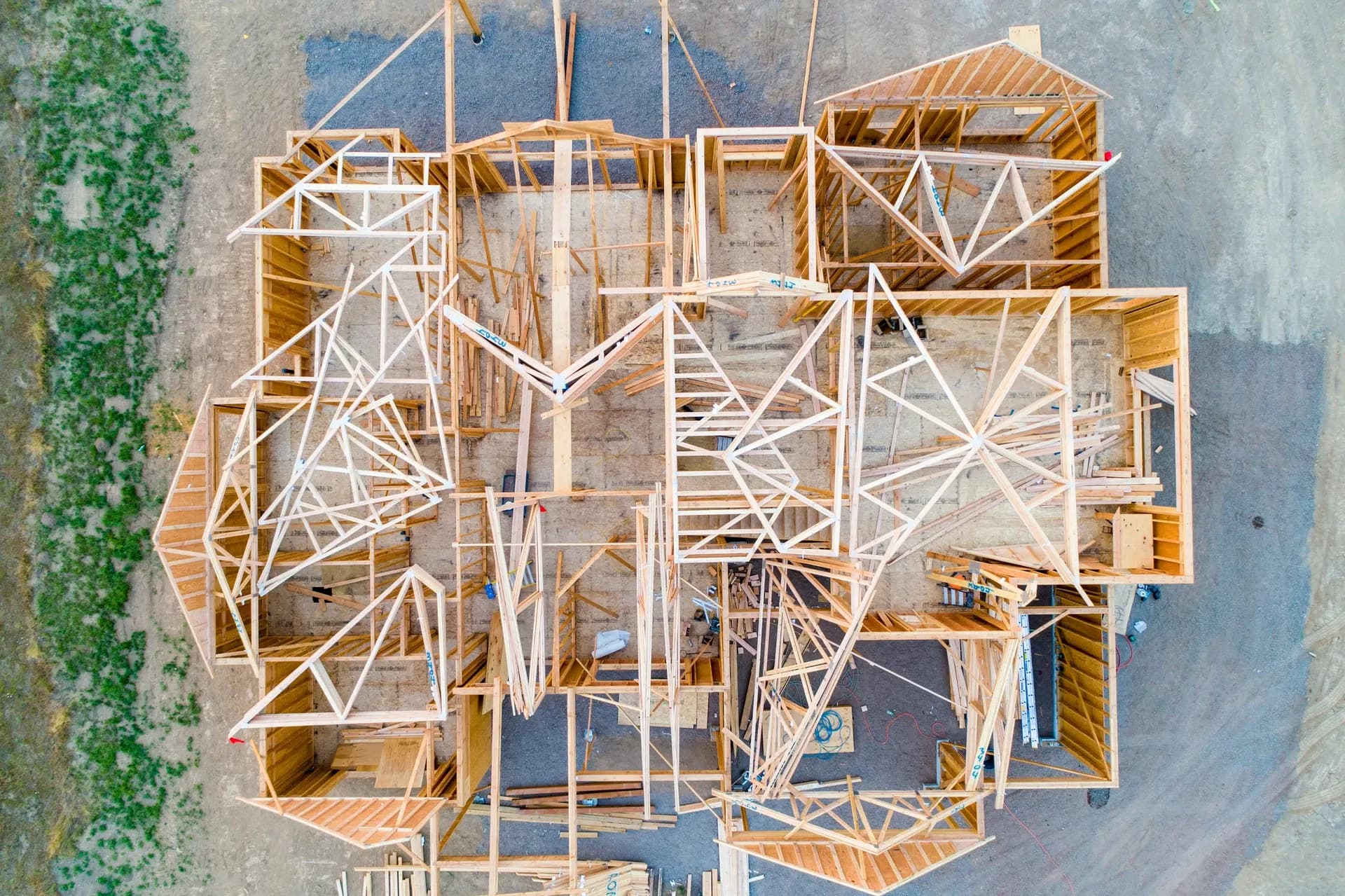
with this inspection.

Book timber pest inspections
with confidence.
Limited daily availability. Get in touch to discuss your property and schedule your inspection — no obligation.